Product Definition
Clarifying the product, the user, the use case, and the physical demands of the category.

Wallets, belts, rings, knives, pens — small objects with outsized expectations. They are handled dozens of times a day, carried in pockets, and judged by feel as much as function.
Arc88 designs everyday carry products with attention to fit, feel, habit, durability, and the small interactions that decide whether an object earns a permanent place in the pocket.
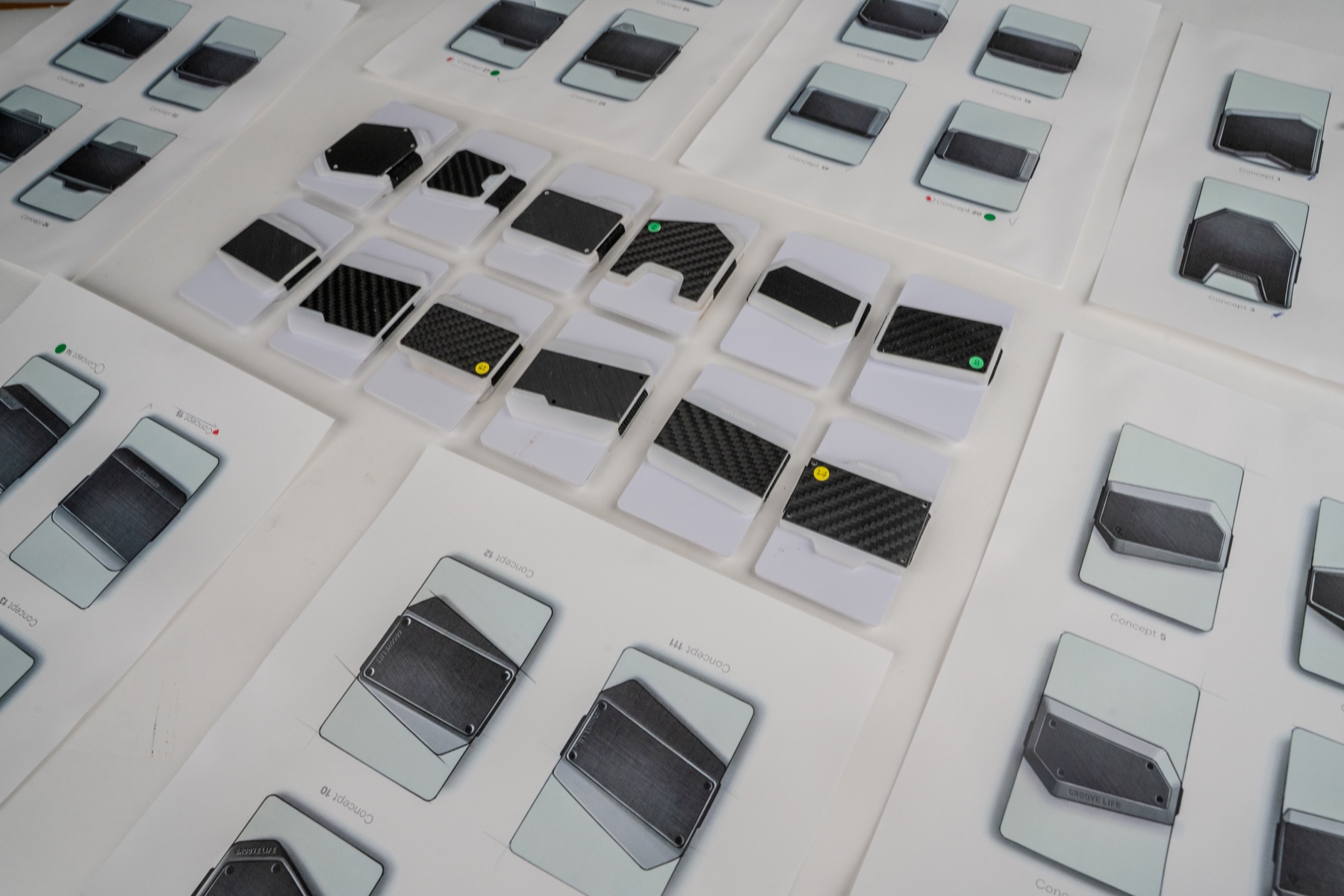
A product can look finished and still fail in use. The latch is too small with gloves. The handle works until the product is wet. The form feels good empty, but awkward when loaded. The prototype works once, but not repeatedly.
Everyday carry products need a focused design discipline: clear, useful, durable, and ready for the physical habits of the people who rely on them.
Most product problems are not dramatic. They are practical. They show up in the hand, in the pack, in assembly, or after repeated use.
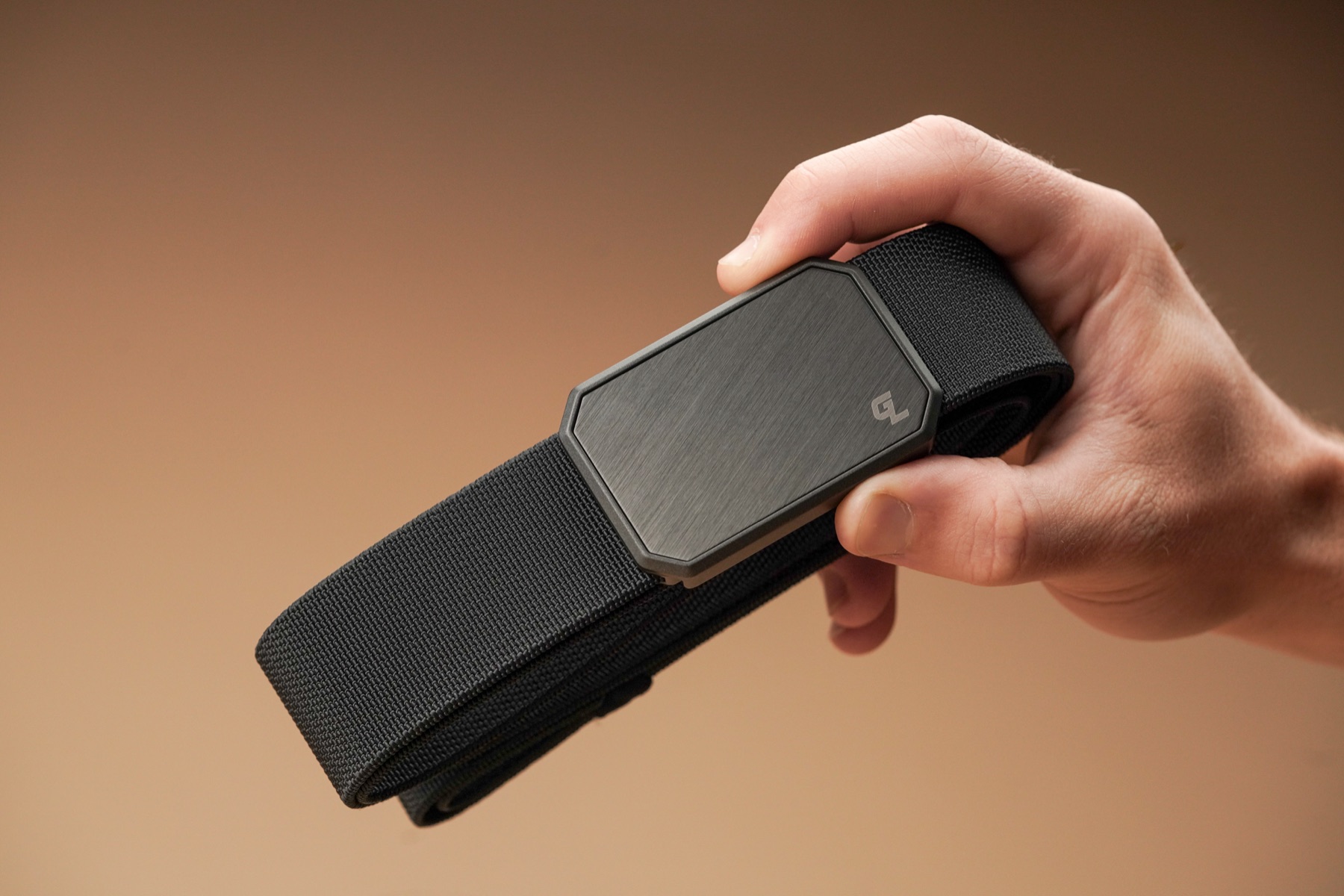
Grip is not confident enough. Access is harder than expected. The product is awkward to carry. The form does not match the use case. The interaction is unclear. It feels overbuilt or underbuilt, and small details become frustrating over time.
Too many parts. Material choices are unresolved. The prototype does not translate cleanly to production. Durability needs work, assembly is more complex than it should be, and the product looks done before it is truly resolved — so the team needs a clearer path forward.
Everyday carry products are often designed to look the part. Arc88 focuses on the smaller decisions that make them genuinely useful: grip, access, weight, parts, materials, and how the product behaves when it is actually used.
The product has to make sense when held, opened, pressed, carried, packed, and used.
Weather, dirt, weight, storage, and repetition change how a product behaves.
Every piece adds cost, complexity, failure points, and manufacturing questions.
A strong product direction should help the team move closer to prototype, production, and launch.
Arc88 helps teams clarify, shape, and refine everyday carry products before expensive decisions are locked in.
Clarifying the product, the user, the use case, and the physical demands of the category.
Shaping the object so it feels useful, intentional, and appropriate.
Improving touchpoints, access points, openings, closures, handles, and functional details.
Identifying what works, what does not, and what needs to change.
Considering how material choices, seams, parts, fasteners, and production realities affect the product.
Helping reduce unresolved decisions before the product moves closer to manufacturing.
Arc88 supports a range of product types across Everyday Carry where usability, durability, and detail matter.